
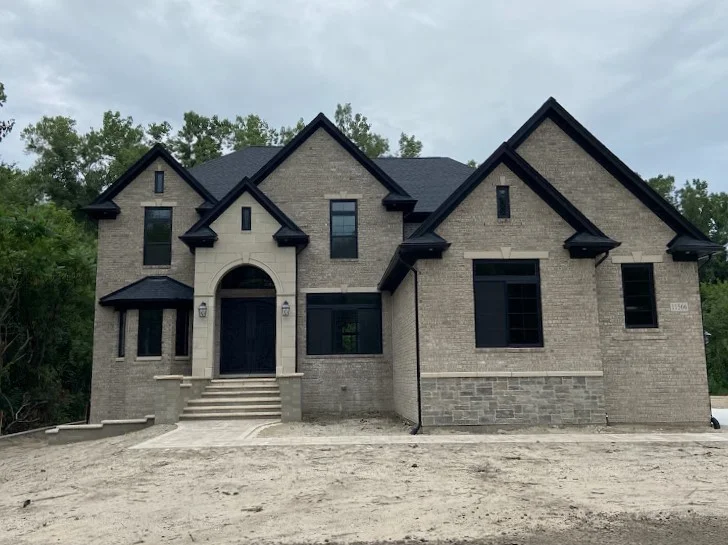
Spec homes have become an important part of the modern housing market because they offer buyers the opportunity to purchase newly constructed properties without waiting through the entire custom homebuilding process. Unlike custom homes, which are designed around the specific preferences of an individual buyer, spec homes are planned and built by developers or builders based on what they believe will appeal to buyers in a particular market.
The process of creating spec homes involves much more than simply constructing a house and putting it up for sale. Builders must study the local market, choose an appropriate location, develop a practical floor plan, select materials, manage construction, and control costs while creating a property that feels attractive and functional. Understanding how builders approach this process can help buyers better appreciate what goes into a newly constructed spec home.
Studying the Local Market
The process usually begins with research. Before designing spec homes, builders need to understand the people who are most likely to purchase properties in the area. Factors such as household size, income levels, employment opportunities, local amenities, neighborhood development, and existing housing demand can influence the design of a new property.
Builders may also examine which home features are currently popular. For example, buyers in one market may prioritize spacious kitchens and open living areas, while another market may have stronger demand for additional bedrooms, home offices, garages, or outdoor living spaces.
This research helps builders create homes that have broad market appeal rather than designing a property around one specific homeowner.
Selecting the Location
Location plays an important role in the development of spec homes. Builders consider factors such as access to roads, schools, shopping centers, employment areas, parks, and other community amenities.
The characteristics of the land also matter. Builders may need to evaluate the size and shape of the lot, zoning requirements, utilities, drainage, soil conditions, and local building regulations before construction begins.
A well-selected location can make a spec home more attractive to prospective buyers and can influence the floor plan, exterior design, parking arrangements, and landscaping.
Creating the Floor Plan
Once the market and property have been evaluated, builders begin developing the home’s design. The floor plan is one of the most important elements because it determines how people will use the space.
Builders typically aim to create layouts that balance comfort, functionality, and construction costs. Common considerations include the number of bedrooms and bathrooms, kitchen placement, living areas, storage, laundry spaces, garages, and potential work-from-home areas.
Modern spec homes often emphasize practical open-concept layouts. Kitchens may connect to dining and living areas, creating a larger shared space for everyday activities and entertaining.
At the same time, builders need to ensure that the design works efficiently from a construction perspective.
Choosing Materials
Material selection is another important stage in building spec homes. Builders must choose products that provide an appealing appearance while remaining within the project’s budget.
Materials can include flooring, cabinets, countertops, roofing, siding, windows, doors, plumbing fixtures, lighting, and appliances. Builders often select combinations that create a cohesive appearance throughout the property.
Durability is also important. Since spec homes are intended for a broad market, builders generally look for materials that can withstand everyday use and provide reasonable long-term performance.
The right combination of appearance, durability, availability, and cost can help a builder create a home that appeals to prospective buyers.
Managing Construction Costs
Cost control is central to the development of spec homes. Because the builder does not have a buyer already committed to the property, the project must be carefully planned to avoid unnecessary expenses.
Builders establish budgets for land acquisition, permits, labor, materials, equipment, utilities, landscaping, and other construction costs. They must also account for financing expenses and potential changes in material or labor prices.
Maintaining cost control does not necessarily mean choosing the cheapest products available. Instead, builders often look for ways to achieve an attractive finished product while making practical decisions about where to spend more and where standard options are sufficient.
Financing the Project
Financing is another important part of developing spec homes. Builders may need funding for land, construction materials, labor, equipment, permits, and other project expenses before the property generates a sale.
Construction financing can therefore play an important role in the development process. Companies such as BuilderFinance.com can provide resources for builders and real estate professionals exploring financing-related needs.
Builders should evaluate financing terms carefully and consider factors such as interest rates, repayment requirements, loan structures, project timelines, and overall carrying costs when planning a spec home development.
Managing the Construction Process
After planning and financing are in place, construction can begin. The builder coordinates multiple stages of work, including site preparation, foundation work, framing, roofing, electrical systems, plumbing, insulation, drywall, flooring, cabinetry, painting, fixtures, and exterior improvements.
Each stage depends on the successful completion of earlier work. Effective scheduling is therefore essential. Delays in materials, inspections, weather, labor availability, or permitting can affect the overall construction timeline.
Builders typically work with contractors and subcontractors to ensure that each part of the project meets the required standards and follows the approved plans.
Adding Modern Features
Builders designing spec homes need to consider what modern buyers expect from a newly constructed property. Features such as energy-efficient windows, improved insulation, efficient heating and cooling systems, modern appliances, convenient storage, and technology-ready infrastructure can increase a home’s appeal.
Smart home features may also be incorporated depending on the target market. However, builders must balance these features with construction costs and the preferences of the buyers they are targeting.
The goal is generally to create a home that feels current without adding features that unnecessarily increase the property’s price.
Exterior Design and Curb Appeal
The outside appearance of spec homes is just as important as the interior. First impressions can strongly influence how prospective buyers perceive a property.
Builders may carefully select exterior colors, roofing materials, doors, windows, siding, landscaping, lighting, and driveway designs to create an attractive overall appearance.
Curb appeal is particularly important when several newly constructed properties are competing for the attention of buyers. A well-designed exterior can make a property stand out while still fitting the character of the surrounding neighborhood.
Inspections and Quality Control
Before spec homes are completed and offered to buyers, builders must ensure that the construction meets applicable codes and project requirements. Inspections may take place at different stages of construction, depending on local regulations.
Builders also conduct their own quality-control checks. They may inspect finishes, fixtures, doors, windows, plumbing, electrical systems, appliances, and other components before the home is presented to potential buyers.
Addressing problems before the sale can reduce future repairs and help create a better experience for the homeowner.
Preparing the Home for Buyers
Once construction is nearly complete, builders prepare the property for the market. This may include final landscaping, cleaning, staging, photography, signage, and marketing.
Some spec homes are marketed while construction is still underway, allowing buyers to monitor progress and potentially purchase the property before completion. Others are fully finished before being listed.
Because buyers can often tour a completed spec home, they can evaluate the actual layout, finishes, room sizes, natural lighting, storage, and overall condition before making a purchase decision.
Final Thoughts
Building spec homes requires careful coordination between market research, design, financing, construction, and sales. Builders must create properties that are attractive enough to appeal to buyers while remaining financially practical to construct.
From selecting the location and developing the floor plan to choosing materials, managing contractors, controlling costs, and completing quality inspections, every stage contributes to the finished home.
For buyers, understanding this process can make it easier to evaluate the quality and value of a newly constructed property. Spec homes are ultimately the result of builders combining market knowledge, practical design, construction expertise, and financial planning to create homes that are ready for modern buyers.