

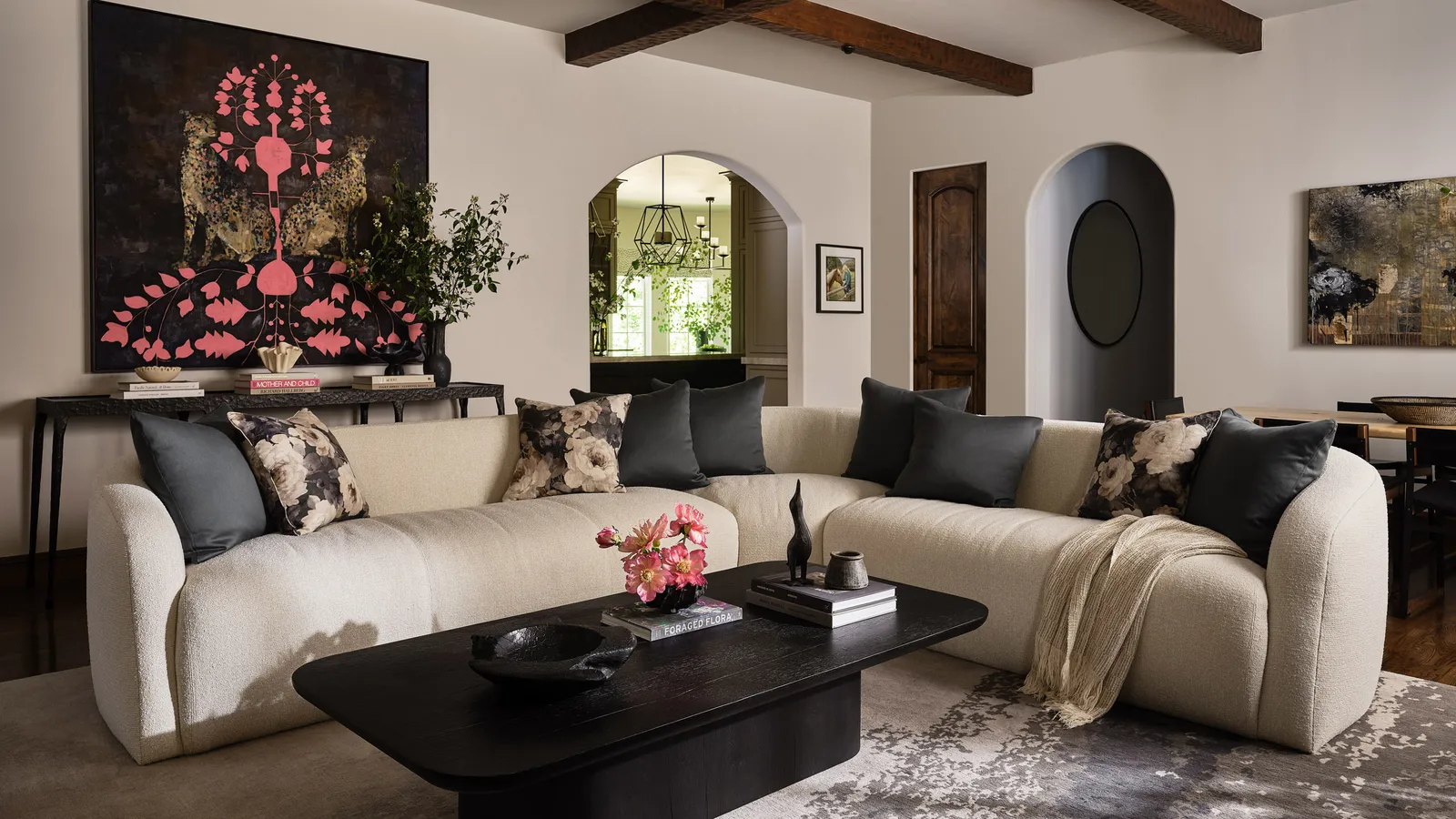
There is a strange moment that happens in some homes. The furniture has arrived, the walls have been painted, the curtains are hanging, and every obvious empty corner has been addressed. Technically, the room is finished. Yet when you walk into it, something still feels slightly wrong.
It is difficult to identify because there may be nothing obviously unattractive about the space. In fact, every individual item might look good. The problem is often not what is in the room, but how everything relates to everything else. Scale, lighting, texture, proportion, and layout can influence whether a space feels genuinely settled.
When Everything Matches a Little Too Well
One surprising reason a room can feel uncomfortable is that it is too coordinated. The sofa matches the chairs, the cushions repeat the same colors, and every decorative object appears to have been purchased from the same collection.
The result can look polished but strangely impersonal. Homes naturally develop character through contrast. An older wooden table beside a contemporary chair, a handmade object on a modern shelf, or artwork collected during different periods can prevent a room from feeling like a showroom.
This is why browsing a lifestyle resource such as sydhub.com.au can sometimes provide broader inspiration. Rather than copying an entire interior, it can be more useful to notice individual ideas and consider how they might work within the personality of your own home.
The Furniture May Be the Right Style but the Wrong Size
Scale is one of those design principles people often notice only when something goes wrong. Imagine a large sofa sitting on a tiny rug. Neither item is necessarily unattractive, but together they can make the room appear disconnected. Similarly, a small piece of artwork floating alone on a wide wall can leave the space looking unresolved.
The opposite problem occurs when several large pieces compete within a small room. Suddenly, there is nowhere for the eye to rest.
Designers frequently identify scale and proportion as reasons otherwise attractive rooms feel awkward. Rugs, artwork, lighting, tables, and furniture need to relate both to the dimensions of the room and to one another.
A good Melbourne blog covering interiors may show beautifully styled spaces, but photographs should be treated as inspiration rather than formulas. The dimensions and natural light of your own room matter far more than recreating someone else’s arrangement.
Lighting Changes More Than Visibility
A room can be beautifully furnished during daylight and become surprisingly lifeless after sunset. The culprit is often a single overhead light.
Lighting from only one level can flatten a room. Layering different sources, such as ceiling fixtures, floor lamps and table lamps, introduces depth and allows different parts of the room to have different moods.
It is similar to metro travel through a city. You can move directly from one point to another, but doing so tells you very little about the neighborhoods between them. A single ceiling light gets the functional job done, while layered lighting reveals different dimensions of the space.
A Room Needs Somewhere for the Eye to Go
Sometimes the furniture is correctly proportioned and the lighting is pleasant, yet the room still feels uncertain. In this case, there may be no visual anchor. When everything demands equal attention, nothing leads the room.
An anchor does not need to be dramatic. It could be a fireplace, a large artwork, an interesting window, a dining table, or even a distinctive sofa. Once there is a clear focal point, surrounding objects can quietly support it rather than competing for attention.
This is also where restraint becomes valuable. Filling every empty wall and surface does not necessarily make a home feel more complete. Leaving intentional open areas can actually make important pieces feel more significant.
Texture Can Be the Missing Ingredient
A room dominated by smooth surfaces can appear finished in photographs while feeling surprisingly cold in person.
Texture introduces another layer. Timber, linen, wool, ceramics, woven materials, plants, and soft upholstery interact differently with light and touch. Even relatively small additions can change how welcoming a space feels.
Readers browsing resources such as GLID Blog may encounter countless decorating ideas, but texture is one area where personal experience matters more than trends. The materials you enjoy touching and living around will usually contribute more to comfort than whatever happens to be fashionable.
Perhaps the Room Is Already Finished
The instinct when something feels wrong is often to buy another object. Another cushion. Another lamp. Another print for the wall. Sometimes the better solution is subtraction.
Move a chair. Remove three decorative objects. Try the rug in another position. Switch off the ceiling light and use lamps instead. Take a photograph of the room from the doorway and notice where your eye naturally lands.
A room does not become complete when every available space has been filled. It feels complete when the objects, empty areas, lighting, textures, and proportions finally seem to belong together. And occasionally, the missing piece is not something you need to purchase at all.
 TomEditor