

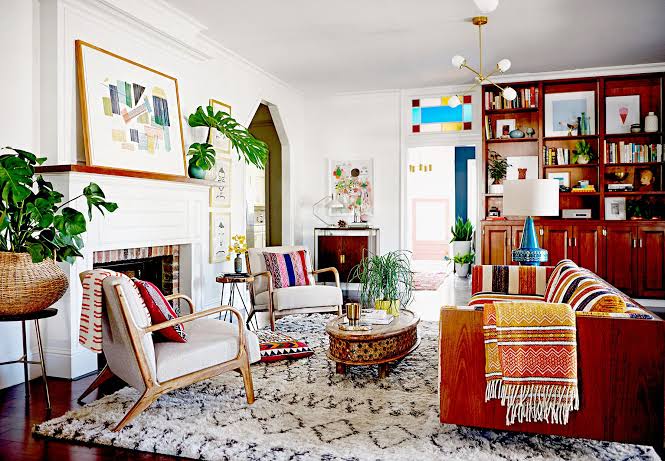
A home does not need to be newly built or completely renovated to feel comfortable, attractive, and functional. Over time, even well maintained living spaces can begin to look tired. Paint fades, furniture becomes worn, storage needs change, and once popular design choices may no longer suit the way a household lives. Fortunately, refreshing an aging home does not have to involve expensive structural work.
The most effective approach is often to focus on visible improvements, practical changes, and better use of what is already available. With thoughtful planning, homeowners can make an older space feel noticeably fresher while keeping costs under control.
Start With a Careful Assessment
Before buying paint, furniture, or decorative items, walk through each room and identify what actually makes the space feel dated. Sometimes the problem is not the age of the home itself. Clutter, poor lighting, worn finishes, oversized furniture, or an inefficient layout can make rooms appear older than they really are.
Make a list of improvements and separate essential maintenance from cosmetic changes. Repairing a leaking tap, damaged flooring, loose handles, or cracked surfaces should usually take priority over purely decorative purchases.
Lifestyle publications, including a Melbourne online magazine, can provide plenty of visual inspiration, but it is important to adapt ideas to the size, condition, and budget of your own property rather than attempting to recreate an expensive designer interior.
Give Walls a Fresh Appearance
Painting remains one of the most affordable ways to create a significant visual difference. Walls naturally collect marks, scratches, and discoloration over the years. A fresh coat of paint can immediately make a room appear cleaner and brighter.
Neutral shades can be useful when the goal is to create a flexible background that works with existing furniture. However, homeowners do not necessarily need to repaint every wall. An accent wall, freshly painted trim, or updated doors can provide enough contrast to change the character of a room.
Preparation is equally important. Cleaning walls, filling small holes, sanding rough areas, and protecting surrounding surfaces can help achieve a more polished result without increasing the material budget considerably.
Improve Lighting Before Replacing Furniture
Poor lighting can make even an attractive room feel dull. Instead of immediately replacing furniture or flooring, examine how natural and artificial light moves through the space.
Heavy curtains may be replaced with lighter window coverings where privacy allows. Mirrors can help reflect natural light, while lamps can brighten darker corners. Updating outdated light fixtures can also change the appearance of a room without requiring extensive renovation.
Lighting choices should reflect daily routines as well. Someone returning home after a long daily commute, for example, may appreciate warm and comfortable lighting in living areas, while kitchens and home offices generally benefit from brighter task lighting.
Rearrange What You Already Own
Refreshing a home does not always require purchasing something new. Furniture placement can dramatically influence how spacious and functional a room feels.
Consider moving large pieces away from pathways, creating clearer activity zones, or removing furniture that no longer serves a practical purpose. A chair from the bedroom might work better in the living room, while an unused side table could become a bedside table.
Decorative objects can also be rotated between rooms. Artwork, cushions, lamps, rugs, and plants can take on a completely different appearance when placed in a new setting.
Update Small Fixtures and Hardware
Small details can reveal the age of kitchens, bathrooms, and storage areas. Cabinet handles, drawer pulls, door handles, tapware, and light switches may become scratched or stylistically outdated long before cabinets or walls need replacing.
Changing selected hardware can therefore provide a noticeable update at a relatively modest cost. The key is consistency. Choosing finishes that work together can make the overall space feel more intentional.
Readers browsing an Australia blog for renovation inspiration may encounter dramatic before and after transformations, but smaller improvements can often provide better value for households that are not ready for a major renovation.
Refresh Soft Furnishings
Textiles are another affordable way to introduce new colors, textures, and patterns. Curtains, cushion covers, throws, rugs, bedding, and table linens can influence the overall atmosphere of a room without permanently changing it.
Rather than replacing everything simultaneously, focus on the items showing the most wear. A faded rug or old curtains may be making the entire room appear tired. Replacing one or two prominent pieces can sometimes deliver a greater visual improvement than buying several small decorative accessories.
Washable covers and durable fabrics may also provide better long term value, particularly in busy households.
Improve Storage and Reduce Visual Clutter
Older homes often struggle with storage because household needs have changed considerably over time. Rather than immediately installing expensive built in cabinetry, look for inexpensive ways to use existing space more efficiently.
Baskets, drawer organizers, shelving, hooks, storage boxes, and furniture with hidden compartments can help reduce visible clutter. Vertical wall space is particularly useful in smaller rooms where floor area is limited.
Decluttering before purchasing storage is equally important. There is little benefit in buying additional containers for belongings that are no longer needed. Selling, donating, recycling, or responsibly disposing of unused possessions can create space without costing anything.
Give Existing Furniture a Second Life
Older furniture does not always need replacing. Solid pieces can often be repaired, refinished, painted, or reupholstered for much less than the cost of buying comparable new furniture.
A timber table may simply need sanding and refinishing. A worn chair could benefit from new fabric, while an old cabinet might look completely different after being painted and fitted with new handles.
Ideas featured on an Australian blog can be useful for discovering restoration projects, but beginners should start with manageable pieces. Smaller projects provide an opportunity to develop practical skills before attempting valuable or complicated furniture.
Add Greenery and Personal Details
Plants can introduce color and texture while softening rooms dominated by hard surfaces. Homeowners who do not want demanding plants can select varieties suited to indoor conditions and their ability to provide regular care.
Personal details are equally valuable. Family photographs, collected objects, books, artwork, handmade pieces, and meaningful souvenirs can make an older home feel deliberately styled rather than simply dated.
There is no need to fill every empty surface. A few carefully selected objects generally create a cleaner and more cohesive appearance than numerous unrelated decorations.
Spend Where It Makes the Biggest Difference
A practical budget does not mean choosing the cheapest option for everything. Certain areas may justify greater investment, particularly when safety, durability, or frequent use is involved.
Flooring in a busy hallway, a frequently used sofa, reliable kitchen fixtures, or necessary electrical repairs may deserve a larger portion of the budget. Decorative trends, by comparison, can often be introduced through inexpensive and easily replaceable items.
Creating a priority list helps prevent money from being spread too thinly across multiple unfinished projects.
Conclusion
Refreshing an aging living space is often more about thoughtful decisions than major spending. Fresh paint, improved lighting, rearranged furniture, updated hardware, better storage, restored furnishings, and carefully selected decorative details can collectively transform the way a home looks and functions.
Working gradually also makes the process easier to manage financially. By addressing the most noticeable and practical issues first, homeowners can create meaningful improvements without committing to a full renovation. An older home can still feel fresh, comfortable, and personal when its existing strengths are supported by smart, budget conscious updates.