
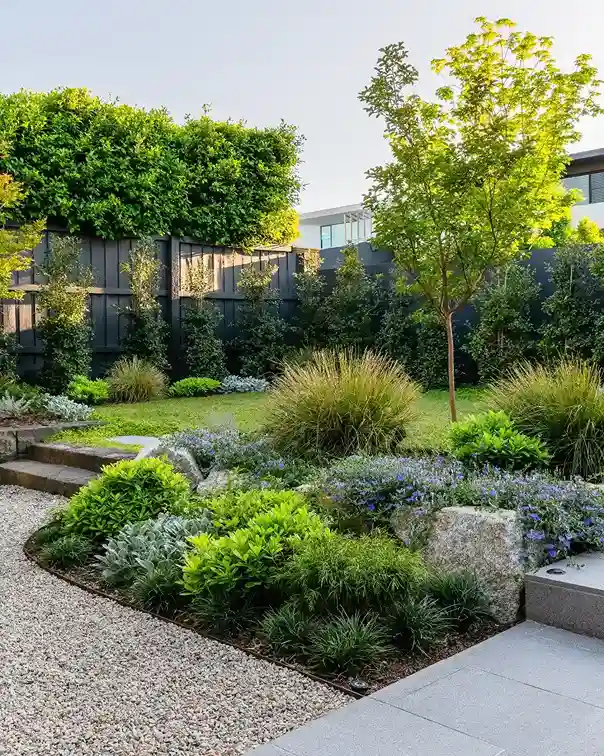
Courtyard walls do more than define property boundaries. Thoughtful courtyard wall ideas can create privacy, support shade, soften wind, frame plants, and give an outdoor room a stronger sense of enclosure without making it feel boxed in.
Height matters, but so do texture, openings, planting, and the way sunlight moves across the space during the day.
Decide How Much Enclosure You Actually Need
A completely solid wall provides strong screening, but it can also reduce airflow and make a small courtyard feel tighter. Partial walls, slatted sections, decorative blocks, or planted screens may provide enough separation while preserving openness.
Observe where neighbors, streets, and upper windows create sightlines. Privacy is often needed in only one or two directions.
Think About Sun Before Choosing Height
A taller wall may cast useful afternoon shade, yet the same wall could keep a planting bed dark for much of the day. Check the courtyard at several times before committing to height and placement.
Use Materials That Add Character
Brick, stone, stucco, timber screening, decorative concrete blocks, and mixed materials can each produce a different atmosphere. Repeating materials already found on the house usually helps the courtyard feel connected rather than added later.
Broader landscape inspiration can help when comparing wall textures with paving, planting, water features, and other outdoor materials.
A simple rendered wall can also gain depth from recessed niches, climbing plants, or carefully positioned lighting.
Create Privacy Without Building a Fortress
Not every courtyard needs a tall solid perimeter. Timber battens, metal screens, trellises, vines, and perforated masonry can interrupt direct views while still admitting filtered light.
Looking at home lifestyle ideas may also encourage a softer approach that treats the courtyard as an extension of everyday living rather than merely a fenced outdoor space.
Layering plants in front of structural screening can make privacy features feel less defensive.
| Wall Approach | Main Benefit | Possible Limitation |
|---|---|---|
| Solid masonry | Strong privacy | Can reduce airflow |
| Slatted screen | Filtered screening | Less complete privacy |
| Trellis and vines | Softer appearance | Plants need time |
| Decorative blocks | Light and texture | May reveal partial views |
Use Walls to Support Shade and Function
Courtyard walls can support awnings, climbing plants, wall lights, shelving, benches, and compact water features. These additions are especially helpful where floor space is limited.
During larger exterior property planning, consider whether future roofing, gates, drainage changes, or extensions could affect the courtyard. Planning attachment points and access early can prevent expensive alterations later.
A shallow built-in bench against one wall can add seating without disrupting circulation.
Where Courtyard Wall Designs Go Wrong
The biggest mistake is assuming more height automatically creates a better courtyard. Excessively tall walls may block desirable light, trap heat, reduce ventilation, and make a compact space feel enclosed.
Using too many materials can also make the courtyard visually busy. One dominant wall finish with one complementary accent usually creates a calmer result.
Don’t forget maintenance either. Timber, vines, painted finishes, and water features may require ongoing care that bare masonry does not.
Frequently Asked Questions
How high should a courtyard wall be for privacy?
The useful height depends on nearby sightlines, local regulations, ground levels, and whether neighboring windows overlook the courtyard. Check local requirements before constructing or significantly raising a wall.
How can I soften a plain courtyard wall?
Climbing plants, trellises, wall-mounted planters, lighting, textured finishes, narrow shelves, and small water features can add depth without requiring major structural changes.
Can courtyard walls help provide shade?
Yes. Wall placement can block low-angle sun, and walls may also support screens, vines, or shade structures. The effect depends heavily on orientation and seasonal sun angles.
Shape the Courtyard Around Comfort
A successful courtyard wall should improve privacy without sacrificing everything that makes outdoor space pleasant. Light, airflow, shade, planting, and visual character need to work together.
Start with the views you want to block, then choose the least bulky solution that achieves that goal. The result can feel protected and private while still remaining bright, breathable, and inviting.