

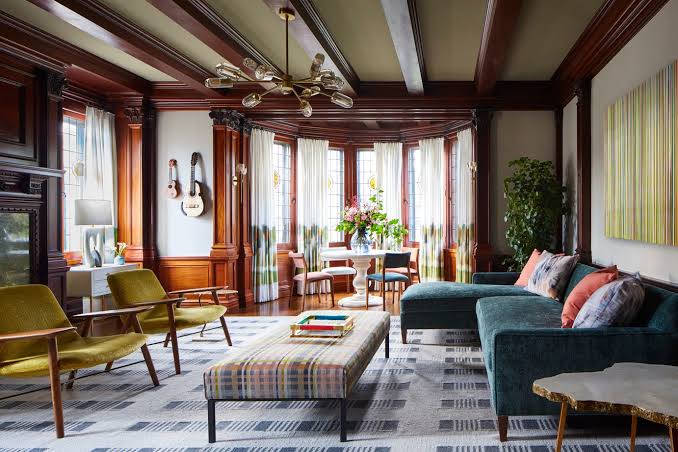
A beautifully decorated home can still feel frustrating when everyday activities become difficult. A stylish coffee table may look impressive but leave little room for movement, while an expensive sofa might not provide the comfort a family needs. These situations highlight an important aspect of interior design: appearance alone cannot determine whether a living space works well. Creating a purposeful home involves understanding daily routines, selecting practical furnishings, and incorporating personal preferences without compromising comfort. When functionality and individual style work together, living spaces become more enjoyable, organized, and suitable for changing lifestyles.
Understanding What Makes a Living Space Functional
Every household uses its living areas differently. Some families need open spaces where children can play, while others prefer quiet corners for reading, working, or relaxing. Before making design decisions, homeowners should consider their daily activities and identify areas that create unnecessary inconvenience. Understanding these requirements helps establish a practical foundation for furniture arrangements, storage solutions, and decorative choices.
Functionality does not require sacrificing creativity. A living room can feature attractive furniture while maintaining comfortable walking paths and accessible storage. Similarly, a bedroom can reflect personal taste without becoming overcrowded with decorative accessories. Homeowners exploring lifestyle and design discussions through platforms such as www.outreachrangers.com may encounter different perspectives on creating spaces that support practical needs and individual preferences.
Choosing Furniture That Supports Everyday Comfort
Furniture plays an important role in determining whether a room feels comfortable and welcoming. Although appearance influences purchasing decisions, dimensions, materials, durability, and maintenance requirements deserve equal attention. A large sectional sofa might suit a spacious family room but overwhelm a smaller apartment. Likewise, delicate furniture may be unsuitable for households with young children or active pets.
Choosing versatile furniture can improve both convenience and visual appeal. Storage ottomans, extendable dining tables, and modular seating arrangements offer flexibility without requiring additional floor space. Neutral furniture can also provide a practical foundation for colorful cushions, artwork, and decorative accessories that reflect individual tastes.
An Australian online publication covering home improvement and lifestyle topics may explore these considerations from different perspectives, particularly as homeowners adapt interiors to accommodate modern living arrangements. Regardless of property size, selecting furniture according to actual usage rather than appearance alone can help prevent unnecessary purchases and improve long term satisfaction.
Bringing Personal Style Into Practical Interior Design
Personal style gives a home its distinctive character. Colors, textures, artwork, and meaningful possessions communicate individual interests and experiences. However, incorporating these elements successfully requires thoughtful selection rather than filling every available surface with decorations.
A carefully chosen painting can create visual interest without overwhelming a room. Textured cushions, indoor plants, and decorative lighting can introduce warmth while preserving a clean and functional environment. Combining modern furnishings with traditional accessories can also produce an appealing interior that feels personal rather than overly coordinated.
Readers browsing an Australia blog focused on lifestyle and home inspiration may discover different approaches to blending contemporary design with everyday comfort. Instead of following every emerging trend, homeowners can identify design elements that genuinely appeal to them. This approach encourages interiors that remain satisfying even as popular decorating styles change.
Creating Family Friendly Spaces Without Losing Style
Family homes require particular attention because living areas must accommodate different ages, activities, and responsibilities. Children need safe environments for playing and learning, while adults often require organized spaces for work, relaxation, and household tasks. Designing for these competing needs becomes easier when flexibility is considered from the beginning.
Washable fabrics, rounded furniture edges, accessible storage baskets, and durable flooring can make shared spaces more manageable. Designating specific areas for toys, books, and creative activities also helps maintain organization without restricting children’s independence. These choices allow families to create attractive interiors that remain practical throughout busy routines.
Discussions involving parenting tips Australia frequently emphasize the importance of establishing comfortable family routines and encouraging children’s participation in everyday responsibilities. Interior arrangements can support these goals by making belongings accessible and providing clearly defined activity areas. A well organized family home should accommodate natural activity rather than require constant attention to maintaining a perfect appearance.
Using Lighting and Storage to Improve Daily Living
Lighting and storage are sometimes treated as secondary design considerations, yet both significantly influence the experience of living in a home. Poor lighting can make attractive interiors feel uncomfortable, while insufficient storage often creates visible clutter that reduces usable space.
Combining natural light with adjustable artificial lighting allows rooms to support different activities throughout the day. Task lighting near desks and reading chairs improves convenience, while softer lighting can create a relaxing atmosphere during evenings. Storage solutions should also match household habits, with frequently used belongings placed within easy reach.
Built in cabinets, floating shelves, and furniture with concealed compartments can provide additional storage without compromising visual appeal. Thoughtful organization allows decorative features to remain noticeable while keeping everyday essentials accessible.
Conclusion
Balancing practicality and personal style requires more than selecting fashionable furniture or attractive colors. It involves recognizing household routines, making thoughtful design choices, and creating environments that support comfort and individuality. Purposeful living spaces should accommodate changing needs without losing their welcoming character. By prioritizing useful layouts, durable furnishings, meaningful decorations, and effective organization, homeowners can create interiors that look appealing while making everyday life noticeably easier.