
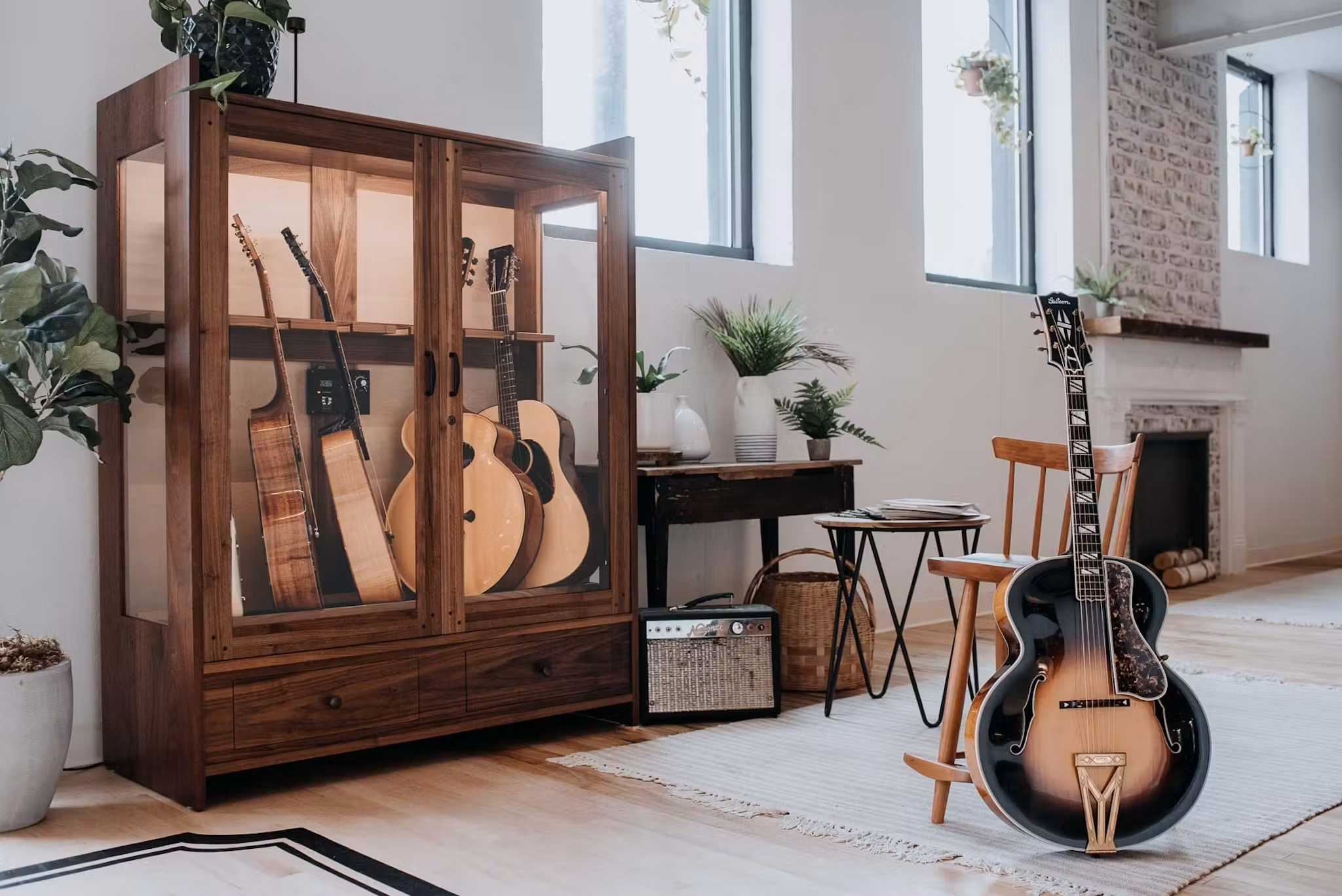
A satisfying listening room is less about filling a space with expensive equipment and more about controlling placement, reflections, seating, and everyday comfort. Listening room ideas that improve sound usually begin with the room itself: where speakers sit, what surfaces surround them, and where the listener spends most of the time.
Small adjustments can make music sound clearer without turning a normal room into a recording studio.
Start With Speaker and Seating Placement
Speaker placement strongly affects what reaches your ears. Placing speakers directly in corners can exaggerate low frequencies, while pushing the listening chair against a rear wall may also make bass sound uneven.
Begin with a roughly symmetrical arrangement and experiment before committing furniture to one position. Interior planning references can provide useful visual context for arranging equipment alongside normal residential furniture rather than allowing audio gear to dictate the entire room.
Give the Speakers Some Space
Speakers generally benefit from having some distance from nearby walls, although the ideal amount depends on their design and the room.
Keep large furniture from blocking the direct path between the speakers and your main listening position. The room doesn’t need to be empty, but sound should have a reasonably clear route.
Use Soft and Hard Surfaces Together
A room made entirely of hard flooring, bare windows, and empty walls may produce strong reflections. A room packed with thick absorptive materials can swing too far in the opposite direction and feel acoustically dull.
Rugs, curtains, upholstered seating, bookshelves, and fabric surfaces can help create a more balanced environment. Room comfort inspiration is also useful when considering how softer materials can serve both visual and practical purposes.
| Room Element | Possible Effect | Practical Approach |
|---|---|---|
| Bare floor | More reflection | Add a rug |
| Large windows | Hard reflective surface | Use curtains |
| Upholstered sofa | Adds absorption | Keep near listening zone |
| Bookshelves | Break up reflections | Place along side/rear wall |
Don’t Cover Every Surface
Acoustic treatment should solve a problem, not simply fill walls. Start with ordinary furnishings and listen before adding dedicated panels.
A room that sounds slightly lively can still be enjoyable. The aim is controlled sound, not complete silence between notes.
Make the Room Comfortable for Long Sessions
Great sound loses some appeal if the chair is uncomfortable, the lighting is harsh, or the equipment is awkward to operate. Position seating so you can listen without turning your head, and keep commonly used controls within easy reach.
Low-glare lamps, dimmable lighting, and organized cable routes can make the space feel more inviting. Exploring home layout resources may also spark ways to integrate storage and equipment without cluttering walking paths.
Ventilation matters around amplifiers and other electronics that produce heat. Avoid sealing warm-running equipment inside tight cabinets unless the enclosure provides adequate airflow.
Mistakes That Can Hurt the Experience
Buying new equipment before experimenting with placement is an expensive first move. A speaker that sounds disappointing in one location may improve substantially after being moved away from a wall or adjusted relative to the listening chair.
Another mistake is designing only for one perfect seat while making the rest of the room uncomfortable. If friends or family will also use the space, allow secondary seating that still offers a reasonable listening experience.
Finally, don’t confuse louder sound with better sound. Clear imaging, balanced bass, and comfortable volume usually matter more during a full album.
Frequently Asked Questions
Does a listening room need acoustic panels?
Not automatically. Rugs, curtains, furniture, and bookshelves may provide enough control for casual listening. Dedicated acoustic panels become more useful when a specific reflection, echo, or bass problem remains after speaker and furniture placement have been adjusted.
What is the best shape for a home listening room?
Rooms with perfectly equal dimensions can sometimes create troublesome resonances, but most homeowners are working with an existing space. Careful speaker placement, seating changes, furnishings, and targeted treatment often matter more than chasing an ideal room shape.
Can a small room sound good for music?
Yes. Small rooms can provide excellent listening experiences when speaker size and placement suit the available space. Avoid overwhelming the room with oversized equipment, and pay particular attention to bass buildup near walls and corners.
Tune the Room Before Replacing the Gear
A better listening space often comes from moving what you already own. Adjust the speakers, try the chair in several positions, soften obvious reflective surfaces, and spend time listening before making major purchases.
The most enjoyable room is one where the equipment, acoustics, and furniture disappear into the experience and leave your attention on the music.