

Maintaining a household requires a proactive approach to the various mechanical and structural systems that provide comfort, safety, and functionality. When home systems operate without interruption, daily life remains stress-free and efficient.
However, neglect can lead to sudden failures that are both costly and disruptive. By implementing a consistent schedule for inspections and repairs, homeowners can prevent minor glitches from escalating into major emergencies.
Investing time into the upkeep of your property ensures that every component, from the electrical grid to the heating units, serves your family reliably for years to come.
1. Securing Water Integrity with a Professional Plumber
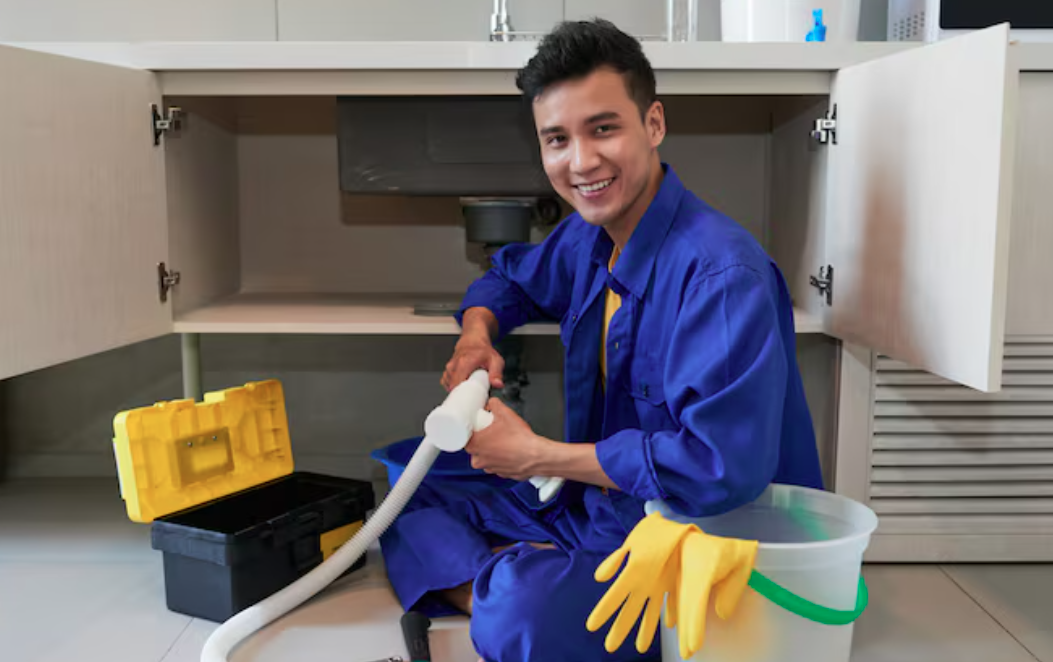
The plumbing system is the lifeline of any home, delivering fresh water and removing waste with invisible efficiency. To avoid the catastrophic damage caused by leaks or burst pipes, it is essential to establish a relationship with a licensed plumber for annual inspections.
A qualified plumber can detect silent leaks under floors or behind walls using specialized diagnostic equipment. By addressing small drips or slow drains early, you prevent the growth of mold and the structural decay of wooden supports.
Regular maintenance of valves and fixtures ensures that your water pressure remains optimal and your home remains dry and protected.
2. Upgrading Efficiency Through a New Boiler Installation
Heating is a critical component of home comfort, and an aging system can become a significant financial drain due to inefficiency and frequent repairs. Planning for a new boiler installation is one of the most effective ways to enhance the energy performance of your property.
Modern units are designed with advanced condensing technology that captures more heat, significantly lowering monthly utility bills. A new boiler installation also provides the peace of mind that comes with a manufacturer warranty and improved safety features.
Transitioning to a contemporary heating system ensures consistent warmth throughout the winter months while reducing your overall carbon footprint.
3. Monitoring Electrical Safety and Circuit Stability
The modern home is filled with sensitive electronic devices that require a stable and safe electrical supply. Overloaded circuits or outdated wiring can pose significant fire hazards and damage expensive appliances.
It is important to periodically check your breaker panel for signs of heat or frequent tripping, which may indicate an underlying issue.
Replacing old outlets with modern safety fixtures and ensuring that your grounding system is intact protects your family from electrical shocks. Regular professional audits of your electrical infrastructure help maintain a steady flow of power to your essential technology.
4. Optimizing Airflow and Ventilation Systems
Indoor air quality is directly linked to the performance of your ventilation and air conditioning systems. Dust and debris naturally accumulate in ductwork over time, which can restrict airflow and force your systems to work harder, leading to premature wear.
Replacing filters every three months is a simple yet vital task that keeps the air in your home clean and reduces the strain on your motors.
Ensuring that vents are not blocked by furniture and that outdoor units are clear of vegetation allows for maximum heat exchange and cooling efficiency, preserving the longevity of your HVAC equipment.
5. Preserving the Building Envelope and Roof Integrity
A smooth-running home also depends on a secure exterior that keeps the elements at bay. The roof and gutters play a major role in directing rainwater away from the foundation. Clogged gutters can cause water to back up under shingles or overflow into the siding, leading to rot and basement dampness.
Conducting a visual inspection of the roof after severe weather allows you to spot missing shingles or damaged flashing before leaks occur.
Maintaining the building envelope ensures that your climate control systems do not have to compensate for drafts, thereby improving total energy efficiency.