
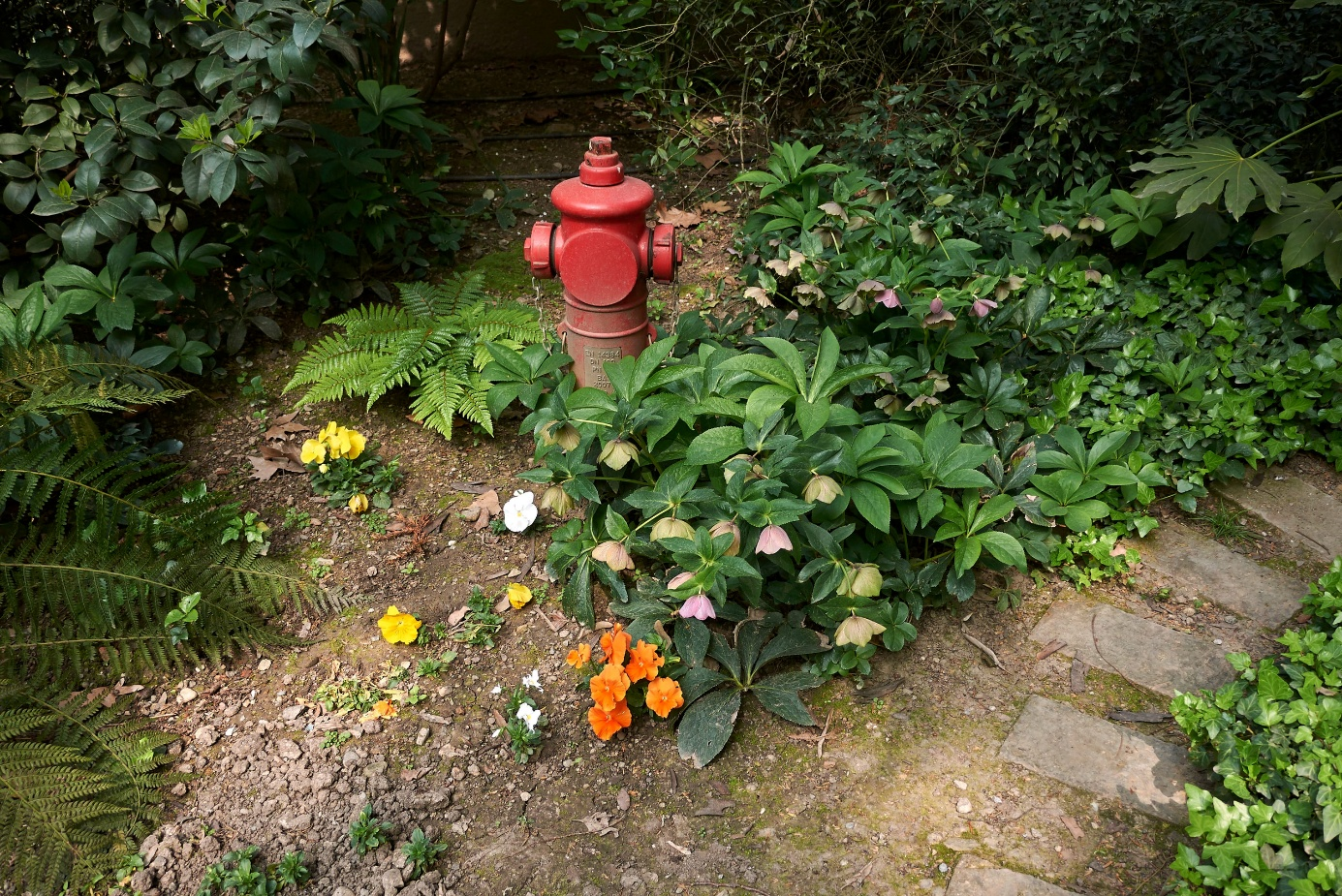
A carefully planned front garden often reflects a desire for harmony, proportion, and visual clarity. Yet certain elements resist this intention. A fire hydrant, positioned for public safety rather than aesthetic value, can appear as an interruption in an otherwise cohesive design. The instinct to conceal it is understandable, but often misguided.
Rather than treating a hydrant as a visual flaw, it can be approached as a fixed design element. With the right perspective, it becomes part of the composition, contributing to the garden’s character while maintaining its essential function. This shift in thinking opens up a range of possibilities that balance safety, accessibility, and visual appeal.
Understanding Constraints Before Designing
Before any design decision is made, it is essential to understand the functional requirements of a hydrant. These installations are part of critical infrastructure and must remain fully accessible at all times. Obstructions, even if unintended, can delay emergency response.
Clearances vary depending on local regulations, but the underlying principles remain consistent. The hydrant must be visible, reachable, and free of obstacles that could interfere with operation. This includes avoiding dense planting, heavy structures, or decorative elements that restrict movement.
Design, therefore, begins not with creativity alone, but with respect for these constraints. Once these boundaries are clearly defined, they can be used as a framework rather than a limitation.
Reframing the Hydrant as a Design Anchor
One of the most effective strategies is to treat the hydrant as a focal point rather than an object to disguise. In landscape design, focal points help guide the eye and create structure. By intentionally incorporating the hydrant into this role, it becomes a visual anchor.
This approach works particularly well in minimalist or structured gardens, where a single bold element can define the space. The hydrant’s color and form, often industrial in nature, can contrast with softer plantings, creating a deliberate visual tension that feels curated rather than accidental.
In more naturalistic settings, the hydrant can still serve as a subtle reference point, around which planting schemes and pathways are organized.
Planting Strategies That Respect Functionality
Plants play a central role in integrating any fixed object into a garden. The challenge lies in selecting species and arrangements that enhance the setting without compromising access.
Low-growing plants are particularly useful, as they maintain visibility while softening the immediate surroundings. Ground covers, ornamental grasses, and compact perennials can frame the hydrant without encroaching on its operational space.
A thoughtful planting scheme might include:
- Layered vegetation that decreases in height toward the hydrant
- Seasonal variation to maintain visual interest throughout the year
- Species with open growth habits that do not form dense barriers
Care must also be taken to avoid plants with aggressive root systems or excessive spread, as these can interfere with underground infrastructure.
Material Choices and Spatial Definition
Hardscape elements provide another opportunity to integrate a hydrant into the overall design. By defining the area around it with materials such as gravel, stone, or paving, the hydrant can be visually connected to the rest of the garden.
A small circular or geometric surface around the hydrant can serve multiple purposes. It clearly marks the required clearance zone, prevents plant overgrowth, and creates a deliberate visual feature. When designed thoughtfully, this area can echo other materials used in pathways or terraces, reinforcing cohesion.
Edges and transitions are particularly important. Clean lines between planted areas and hard surfaces help maintain order, ensuring that the hydrant does not appear as an afterthought.
Subtle Camouflage Without Concealment
While full concealment is neither practical nor advisable, subtle visual integration can reduce the sense of intrusion. This does not mean hiding the hydrant, but rather blending it into its surroundings.
Color coordination is one approach. In some cases, regulations allow hydrants to be painted, provided visibility is not compromised. When possible, selecting tones that harmonize with the garden palette can soften the visual impact.
Another technique involves repetition. By introducing elements that echo the hydrant’s form or color elsewhere in the garden, it becomes part of a broader design language. This could include vertical accents, sculptural features, or even carefully chosen containers.
Lighting and Seasonal Considerations
Lighting can transform how a hydrant is perceived, particularly in the evening. Instead of leaving it in shadow, subtle illumination can highlight it as part of the garden’s nighttime composition.
Low-level lighting placed at a distance can create a soft glow, enhancing visibility without drawing excessive attention. This also improves safety, ensuring that the hydrant remains easy to locate in low-light conditions.
Seasonal changes should also be considered. In winter, when plant cover recedes, the hydrant becomes more prominent. Designing with year-round structure in mind ensures that the garden remains balanced even when vegetation is minimal.
Balancing Aesthetics and Responsibility
Integrating a hydrant into garden design is ultimately an exercise in balance. Aesthetic goals must coexist with practical responsibilities. Ignoring the functional importance of the hydrant can lead to serious consequences, while overemphasizing its presence can disrupt the overall composition.
Successful designs acknowledge both aspects. They create spaces that are visually coherent while respecting the underlying infrastructure. This requires a level of discipline, but also a willingness to see constraints as opportunities.
Common Mistakes to Avoid
Certain design choices can undermine both safety and aesthetics. Being aware of these pitfalls helps prevent costly or hazardous outcomes.
- Placing dense shrubs or hedges too close to the hydrant
- Installing decorative covers or enclosures that restrict access
- Allowing climbing plants to grow over or around the structure
- Ignoring visibility from the street or access points
Avoiding these mistakes ensures that the hydrant remains functional while still contributing positively to the garden’s design.
A Shift in Perspective
A hydrant in the front garden may never be the element that defines its beauty, but it does not have to detract from it either. With careful planning and a thoughtful approach, it can be integrated in a way that feels intentional and balanced.
Design is often about working with what is given rather than striving for ideal conditions. When infrastructure is treated as part of the landscape rather than an obstacle, new creative possibilities emerge. The result is a garden that not only looks considered, but also functions responsibly within its broader environment.
Image: spring75 – 123rf.com