
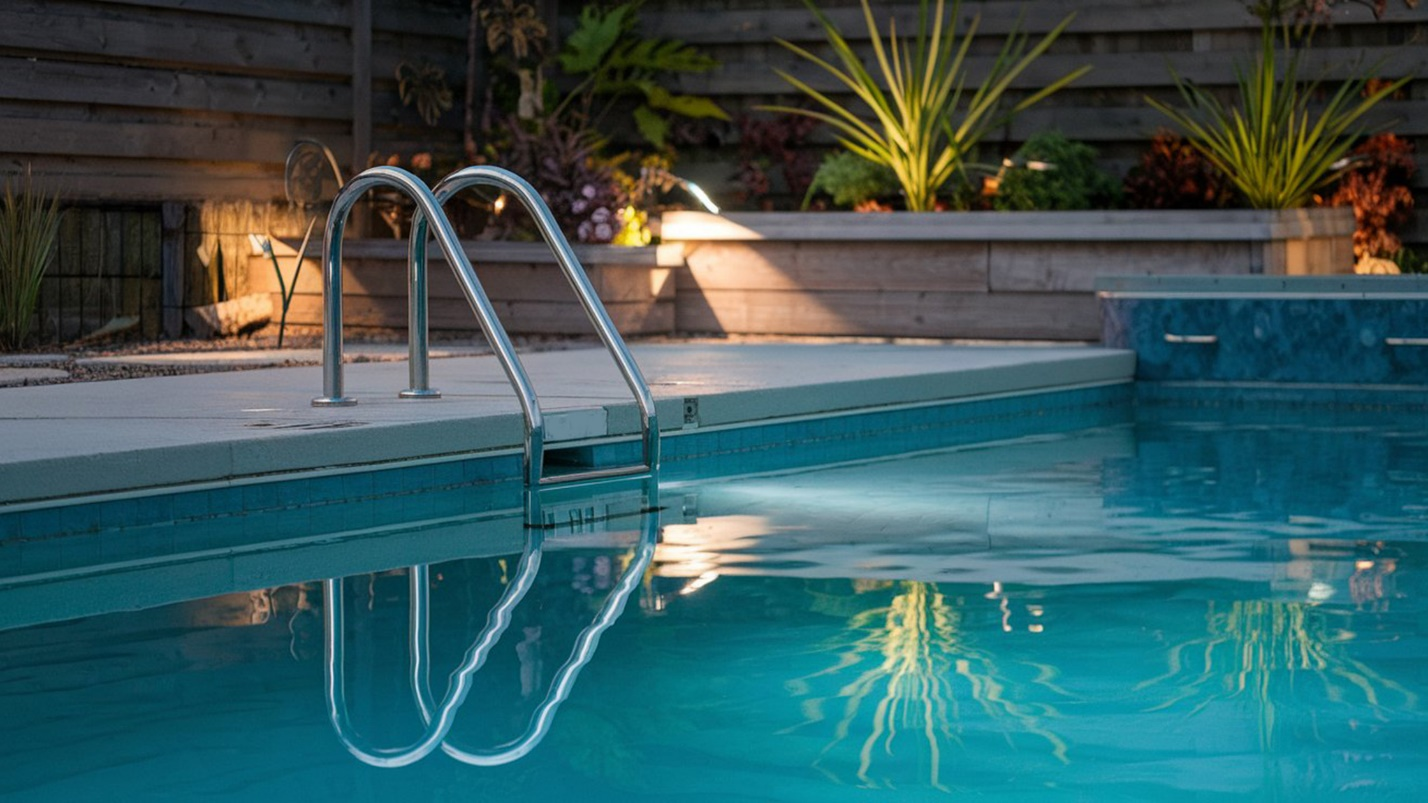
Severe droughts are forcing municipalities to implement strict water conservation measures, transforming how homeowners manage their backyard oases. Maintaining a pristine swimming environment typically requires thousands of gallons of water annually, with traditional filter cleaning being a primary culprit of excessive waste. When local authorities declare a water emergency, standard maintenance practices become both environmentally irresponsible and financially punitive.
This comprehensive guide explores how extreme drought restrictions directly impact your filtration management and provides actionable strategies to adapt your backwash routine, ensuring your water remains crystal clear without violating strict municipal conservation mandates.
Understanding the Severity of Municipal Drought Restrictions
When a region enters an extended period of abnormally dry weather, local governments must prioritize essential water usage over recreational luxuries. Municipal water authorities monitor reservoir levels closely and will enact tiered conservation stages as the situation worsens. These stages dictate exactly what residents can and cannot do with their municipal water supply. For swimming pool owners, these mandates often mean a complete ban on draining and refilling the basin, strictly limiting evaporation top-offs, and heavily scrutinizing any activity that discharges water into the street or municipal sewer system.
The Legal and Financial Consequences of Water Waste
Ignoring these municipal mandates is not merely an environmental faux pas; it carries severe financial repercussions. Local water districts frequently employ enforcement officers who patrol neighborhoods looking for signs of excessive runoff. Discharging hundreds of gallons of water down your driveway during a standard filter cleaning cycle is a highly visible violation. First-time offenders typically receive steep monetary fines, while repeated infractions can result in the installation of flow restrictors on your residential water meter or the complete shutoff of municipal water services.
How Traditional Backwashing Violates Conservation Rules
Sand and diatomaceous earth filtration systems rely heavily on reversing the flow of water to flush out trapped dirt and debris. This mechanical process, while effective for maintaining water clarity, is incredibly wasteful. A single cycle can easily consume between two hundred and three hundred gallons of treated water. In a severe drought scenario, losing this volume of water on a weekly or bi-weekly basis is entirely unsustainable and often explicitly prohibited by emergency local ordinances.
Rethinking Your Filtration Strategy During a Drought
Adapting to a water-scarce environment requires a fundamental shift in how you approach aquatic maintenance. You must pivot from reactive cleaning to proactive preservation. The goal is to dramatically extend the time between mandatory filter cleanings, thereby conserving the maximum amount of water possible while still maintaining a safe and sanitary swimming environment.
Transitioning to Alternative Filter Media Types
If your local climate makes extreme droughts a recurring threat, modifying the physical components of your equipment pad might be necessary. Cartridge filters, unlike sand or diatomaceous earth systems, do not require backwashing. Instead, the paper elements are removed and manually rinsed with a specialized nozzle that uses a fraction of the water. If replacing the entire tank is not feasible, upgrading standard sand to specialized glass media can significantly improve filtration efficiency, allowing the system to run much longer before the pressure rises enough to necessitate a cleaning cycle.
Implementing Proactive Debris Management Systems
The most effective way to reduce the frequency of your filter maintenance is to prevent debris from reaching the main plumbing system in the first place. Relying entirely on your skimmers and primary circulation pump to handle leaves, dirt, and organic matter forces the filter to clog rapidly. By utilizing an independent, self-contained automatic pool cleaner, you can extract the vast majority of physical contaminants directly from the basin floor. These intelligent machines collect dirt in their own internal canisters, completely bypassing your primary filtration system. This drastically reduces the dirt load on your main filter, safely delaying the need for a water-wasting backwash cycle for weeks or even months.
Techniques for Minimizing Water Loss During Filter Cleaning
When the pressure gauge inevitably indicates that a cleaning is absolutely necessary, you must execute the process with extreme precision. The days of letting the discharge hose run freely until the sight glass looks perfectly clear are over. You must optimize every second the valve is open to minimize the total volume of water lost to the environment.
Optimizing the Timing of Your Maintenance Cycles
Never initiate a cleaning cycle based purely on a calendar schedule. During a drought, you should only flush the system when the internal pressure rises ten pounds per square inch above the clean baseline. When you do operate the valve, use short, controlled bursts. Run the discharge for thirty seconds, pause to let the internal media settle, and then run it again for another fifteen seconds. This pulsing method often dislodges deeply embedded dirt more effectively than a continuous, wasteful flow, requiring less total water to achieve the same operational cleanliness.
Capturing and Repurposing Discharged Pool Water
If your local laws permit it, consider capturing the discharged water instead of sending it down the storm drain. By routing the discharge hose into large holding barrels, you can let the heavy particulate matter settle to the bottom over a few days. Once the debris has separated, the clearer water at the top can be carefully pumped out and used for sub-surface landscape irrigation for drought-tolerant plants. This ensures that the water serves a secondary purpose, maximizing the utility of every drop consumed by your property.
Chemical Adjustments to Reduce Filtration Demands
Physical debris is not the only factor that clogs a filter; microscopic organic matter and chemical imbalances also contribute to rapid pressure increases. By maintaining pristine water chemistry, you can reduce the physical workload placed on your filtration media.
Maintaining Pristine Clarity With Enzymes and Clarifiers
Introducing high-quality pool enzymes to your weekly maintenance routine is a powerful drought-mitigation strategy. Enzymes actively break down non-living organic waste, such as body oils, cosmetics, and sunscreen, before they can coagulate and clog the filter media. Additionally, using a specialized clarifying agent helps clump microscopic particles together, making them easier for the filtration system to trap efficiently. This chemical assistance keeps the water clearer for longer periods, directly reducing the frequency of necessary backwash cycles.
The Crucial Role of Phosphate Removers in Water Preservation
Phosphates are the primary food source for algae. When phosphate levels rise, algae blooms are imminent. An algae bloom will instantly clog a sand or diatomaceous earth filter, requiring massive amounts of water to flush out the dead organic matter. Routinely treating your water with a phosphate remover starves potential algae growth, preventing sudden filtration failures and the subsequent need for emergency, high-volume water discharge.
Conclusion
Navigating severe drought restrictions requires a profound transformation of traditional swimming pool maintenance habits. The antiquated practice of casually backwashing hundreds of gallons of water is no longer sustainable or legally permissible in water-scarce environments.
By understanding municipal mandates, optimizing your cleaning techniques, and utilizing independent technology to manage physical debris, you can drastically reduce your environmental footprint. Implementing strategic chemical treatments and rethinking your filtration schedule allows you to conserve vital water resources, avoid costly municipal fines, and successfully maintain a pristine backyard oasis even during the most stringent drought emergencies.